Mastering SEO: The Complete Guide to Boosting Your Website Traffic and Rankings
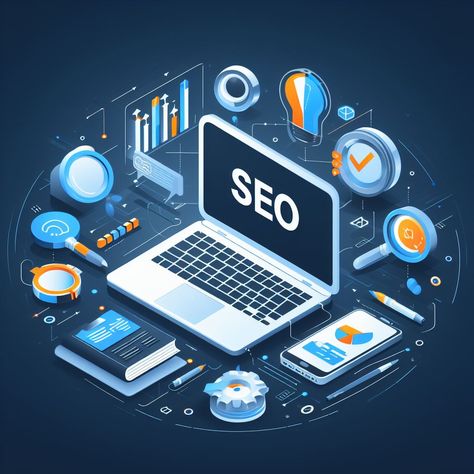
SEO (Search Engine Optimization) is the key to online success. Whether you run a personal blog, an e-commerce store or a corporate website, effective SEO can be the difference between getting lost in the crowd and standing out in search results.
Search engines like Google and Bing use complex algorithms to rank websites based on relevance, user experience and content quality. By mastering SEO, you can improve your site's visibility, increase organic traffic and grow your business.
In this comprehensive guide we cover everything you need to know — from the basics to advanced strategies: what SEO is and why it matters, on-page, off-page and technical SEO, how to create SEO-friendly content, common mistakes to avoid, and the best tools to use.
What is SEO and Why is It Important?
SEO is the process of improving your website's visibility in search engine results pages (SERPs). The goal is to help your site rank higher for specific keywords, making it easier for users to find your content.
When someone searches for a term like "best running shoes," search engines analyse millions of pages to deliver the most relevant, high-quality results. A well-optimised website appears higher in the results, leading to more clicks and traffic.
Why SEO Matters
- Increased visibility: higher rankings mean more exposure to potential customers.
- Cost-effective traffic: unlike paid ads, organic traffic from SEO is essentially free.
- Builds credibility: sites that rank higher are seen as more trustworthy and authoritative.
- Improved user experience: SEO makes your site faster, easier to navigate and more engaging.
Types of SEO Strategies
1. On-Page SEO
On-page SEO involves optimising individual web pages to rank higher and gain more relevant traffic. Key factors include:
- Title tags: include primary keywords in the title.
- Meta descriptions: write compelling descriptions with keywords.
- Headings: use H1, H2 and H3 tags to structure content.
- Internal linking: link to relevant pages to improve engagement and reduce bounce rates.
2. Off-Page SEO
Off-page SEO focuses on improving your site's authority through external actions:
- Backlinking: earn links from high-authority websites.
- Social sharing: promote content to increase visibility.
- Guest blogging: write for other sites and include quality backlinks.
3. Technical SEO
Technical SEO ensures your site is easy for search engines to crawl and index:
- Site speed: fast-loading pages improve experience and rankings.
- Mobile-friendliness: ensure your site is responsive on all devices.
- Secure connection: use HTTPS for better security and trust.
How to Create SEO-Friendly Content
- Keyword research: use tools like Google Keyword Planner or Ahrefs to find high-volume, low-competition keywords.
- Content structure: organise content with clear headings and subheadings.
- Natural keyword use: include target keywords naturally, without stuffing.
- Internal and external links: link to authoritative sources and related internal pages.
Best Tools for SEO
- Google Analytics — track website traffic and user behaviour.
- Ahrefs — analyse backlinks and keyword performance.
- SEMrush — run in-depth SEO audits and competitor analysis.
- Yoast SEO — optimise your WordPress content for better rankings.
Common SEO Mistakes to Avoid
- Keyword stuffing — overloading content with keywords harms readability and rankings.
- Ignoring mobile optimisation — a non-responsive site loses mobile traffic.
- Duplicate content — search engines penalise copied or duplicate content.
Conclusion
Mastering SEO takes time and effort, but the rewards are worth it. By applying on-page, off-page and technical SEO strategies you can improve your search rankings and drive more organic traffic. Want expert help? Our team builds SEO systems that deliver measurable growth.
Rashmi Agarwal
Founder & Lead Strategist, Get Digital Marketing Now
Helping small and medium businesses grow online with SEO, paid media and conversion-focused websites.
Frequently Asked Questions
How long does SEO take to show results?
Most websites see meaningful movement in 3–6 months, with compounding gains after that. Timelines depend on competition, your starting point and how consistently the strategy is executed.
What is the difference between on-page and off-page SEO?
On-page SEO optimises elements on your website (content, titles, structure, speed). Off-page SEO builds your site's authority through external signals like backlinks and mentions.
Is SEO better than paid ads?
They work best together. SEO delivers durable, compounding organic traffic, while ads deliver instant visibility. A blended strategy maximises ROI.
Explore our services
Need Help Growing Your Business Online?
Book a FREE Digital Marketing Consultation and discover how SEO, websites and digital marketing can help your business generate more leads and sales.
Prefer to write? Visit our Contact page